
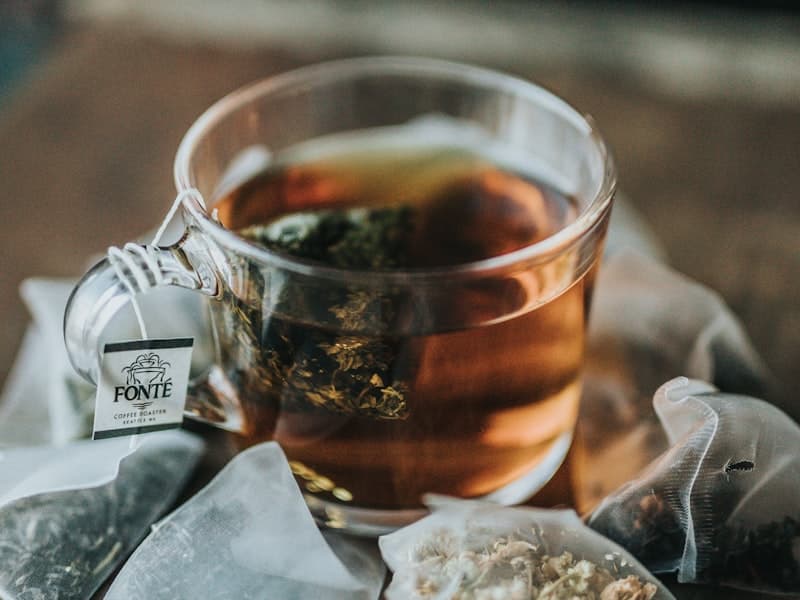
Adaptogenic lattes are everywhere in 2025 — from specialty cafes to grocery store shelves. But most commercial versions contain negligible amounts of their headline ingredients. A trendy "mushroom coffee" with 50 mg of reishi dust is not going to modulate your immune system. These recipes use clinically relevant amounts of each adaptogen, taste genuinely good, and are designed to fit into your daily rhythm at the time of day when each ingredient is most useful.
A quick primer on adaptogens: these are herbs and fungi that help your body resist and adapt to physical, chemical, and biological stress. They work gradually over weeks by modulating the HPA (hypothalamic-pituitary-adrenal) axis, regulating cortisol, and supporting cellular resilience. They are not stimulants. They do not produce immediate, dramatic effects. Consistency is everything.
For a deeper dive into the science, read our article on How Adaptogens Actually Work.
Before You Start: Sourcing and Quality
The most important factor in an adaptogenic latte is the quality of your powder. Here is what to look for:
Mushroom powders: Buy from companies that use the fruiting body, not mycelium on grain. Mycelium-on-grain products contain significant amounts of starch filler and dramatically lower beta-glucan content. Look for products that list beta-glucan content on the label (aim for 20%+ for reishi and chaga).
Ashwagandha: KSM-66 and Sensoril are the two most clinically studied extracts. Generic ashwagandha root powder works for lattes but requires higher doses (1-2 tsp vs. 300-600 mg for concentrated extracts).
Schisandra: Look for whole dried berries (for simmering) or a powdered berry extract, not just berry flavoring.
Cacao: Use raw cacao powder, not Dutch-processed cocoa. Dutch processing removes up to 90% of the flavonoids that contribute to cacao's cardiovascular and mood benefits.
Recipe 1: Reishi Hot Chocolate
Best time: Evening (7-9 PM) — reishi supports calm, restful sleep
Reishi (Ganoderma lucidum) is known as the "mushroom of immortality" in Traditional Chinese Medicine. Modern research has identified triterpenes (ganoderic acids) as its primary active compounds, along with polysaccharides (beta-glucans) that modulate immune function. A 2012 Cochrane review noted reishi's potential for immune support, while multiple studies have demonstrated its ability to reduce fatigue and improve sleep quality. Reishi has a naturally bitter, earthy flavor that pairs beautifully with chocolate.
Ingredients
1.5 cups milk of choice (oat milk produces the best foam; full-fat coconut milk makes it richest)
1 tablespoon raw cacao powder
1 teaspoon reishi mushroom powder (fruiting body extract)
1/2 teaspoon cinnamon
Tiny pinch of sea salt (enhances chocolate flavor)
1-2 teaspoons maple syrup or raw honey (add after heating)
Optional: 1/4 teaspoon vanilla extract
Method
Add milk, cacao powder, reishi powder, cinnamon, and sea salt to a small saucepan.
Whisk over medium-low heat until hot but not boiling (around 160-170 degrees F). Simmering gently for 3-5 minutes helps the beta-glucans become more bioavailable.
Remove from heat. Stir in maple syrup and vanilla.
For a frothy latte texture, blend with a milk frother or pour into a blender and pulse for 10-15 seconds.
Serve in a warm mug. Sip slowly as part of your evening wind-down ritual.
Taste notes: Rich, deeply chocolatey with an earthy undertone. The bitterness of the reishi blends seamlessly with the cacao. The cinnamon adds warmth without sweetness.
Safety: Reishi may enhance the effects of blood-thinning medications and lower blood pressure. It can occasionally cause digestive upset at higher doses. Start with 1/2 teaspoon and increase over a week. Avoid reishi for 2 weeks before surgery due to its mild antiplatelet activity.
Recipe 2: Ashwagandha Golden Latte
Best time: Evening (6-8 PM) — ashwagandha supports cortisol reduction and sleep preparation
Ashwagandha (Withania somnifera) is arguably the most well-studied adaptogen. A 2012 RCT in the Indian Journal of Psychological Medicine found that 300 mg of ashwagandha root extract (KSM-66) taken twice daily reduced serum cortisol by 28% over 60 days. A 2019 study in Cureus found that ashwagandha significantly improved sleep quality and sleep onset latency. This latte combines ashwagandha with turmeric's anti-inflammatory properties in a traditional Ayurvedic haldi doodh framework.
Ingredients
1.5 cups milk (whole dairy, oat, or coconut — fat is essential for curcumin absorption)
1 teaspoon ashwagandha root powder (or 300 mg KSM-66 capsule opened into the milk)
1 teaspoon ground turmeric
1/2 teaspoon cinnamon
1/4 teaspoon ground ginger
1 pinch freshly ground black pepper (piperine increases curcumin bioavailability by up to 2,000%)
1 teaspoon coconut oil or ghee
1-2 teaspoons raw honey (add after heating)
Optional: pinch of cardamom
Method
Combine milk, ashwagandha, turmeric, cinnamon, ginger, black pepper, and coconut oil in a saucepan.
Whisk over medium-low heat for 5 minutes. Do not boil — keep below 170 degrees F.
Remove from heat and let cool slightly. Stir in honey and cardamom.
Strain through a fine mesh strainer if desired (removes any grittiness from the turmeric).
Froth with a milk frother for a latte-style presentation.
Taste notes: Warm, golden, mildly spicy. The ashwagandha adds a subtle earthy bitterness that the honey and cinnamon balance well. Tastes like a chai-spiced golden milk.
Safety: Ashwagandha can increase thyroid hormone levels (T3 and T4) — avoid if you are on thyroid medication without provider guidance. It may enhance sedatives and anti-anxiety medications. Ashwagandha is an immunomodulator — consult your provider if you have an autoimmune condition. Not recommended during pregnancy. Use our Medication Checker for personalized interactions.
Recipe 3: Chaga Chai Latte
Best time: Morning (7-9 AM) — chaga provides sustained, non-stimulant energy
Chaga (Inonotus obliquus) grows on birch trees in northern climates and has the highest ORAC (oxygen radical absorbance capacity) score of any food tested — meaning it is extraordinarily rich in antioxidants. Its primary active compounds are betulinic acid (derived from the birch bark it grows on), melanin complexes, and beta-glucans. Chaga does not contain caffeine but many users report a grounded, sustained energy without the jitteriness of coffee.
Ingredients
1 cup brewed chaga tea (simmer 1 tablespoon chaga chunks or 1 teaspoon powder in 1.5 cups water for 15-20 minutes, strain, reserve 1 cup)
1/2 cup milk of choice
1 chai tea bag or 1/2 teaspoon chai spice blend (cinnamon, cardamom, ginger, cloves, black pepper)
1 teaspoon maple syrup
1/4 teaspoon vanilla extract
Method
Brew the chaga tea: add chaga chunks or powder to water and simmer on low for 15-20 minutes. Chaga requires extended heat extraction — a quick steep will not release the beta-glucans.
Strain and reserve 1 cup of the chaga tea. (Save extra for re-simmering — chaga chunks can be reused 3-4 times.)
If using a chai tea bag, steep it in the hot chaga tea for 5 minutes and remove. If using a spice blend, whisk it directly into the chaga tea.
Warm the milk separately, then froth.
Pour the chaga chai into a mug, add maple syrup and vanilla, and top with frothed milk.
Taste notes: Mild, slightly earthy and vanilla-like. Chaga has one of the most pleasant flavors of any medicinal mushroom. The chai spices make this taste remarkably similar to a traditional chai latte.
Safety: Chaga may lower blood sugar — use caution with diabetes medications. It contains oxalates, which may be a concern for those with a history of kidney stones. Chaga has mild blood-thinning properties. Not enough safety data for pregnancy or breastfeeding — avoid.
Recipe 4: Lion's Mane Mocha
Best time: Late morning (9-11 AM) — lion's mane supports focus and cognitive performance
Lion's mane (Hericium erinaceus) is the only mushroom with robust evidence for neurological benefits. It contains hericenones and erinacines — compounds that stimulate nerve growth factor (NGF) synthesis. A 2023 study published in the Journal of Neurochemistry confirmed that lion's mane extract promoted neurite outgrowth and improved cognitive performance in both in vitro and in vivo models. A 2020 RCT in Evidence-Based Complementary and Alternative Medicine found that 50+ year old adults who consumed lion's mane for 12 weeks showed significant improvements in cognitive function scores.
Ingredients
1 cup freshly brewed coffee (or 1 shot espresso + 3/4 cup hot water)
1/2 cup milk of choice
1 teaspoon lion's mane mushroom powder (fruiting body extract)
1 tablespoon raw cacao powder
1 teaspoon maple syrup or sweetener of choice
Optional: 1/4 teaspoon MCT oil or coconut oil for added brain fuel
Method
Brew your coffee as usual.
In a blender, combine hot coffee, lion's mane powder, cacao powder, sweetener, and MCT oil if using.
Blend on high for 15-20 seconds until smooth and slightly frothy. (Blending emulsifies the oil and fully incorporates the mushroom powder, which can be gritty if just stirred.)
Warm and froth the milk separately.
Pour the mocha into a mug and top with frothed milk.
Taste notes: If you like mochas, you will love this. The lion's mane has a very mild, slightly seafood-like flavor when isolated, but when combined with cacao and coffee, it is completely masked. It tastes like a rich, slightly earthy mocha.
Safety: Lion's mane is one of the safest medicinal mushrooms. Rare reports of skin itching in sensitive individuals (likely related to NGF stimulation). If you have a mushroom allergy, avoid all medicinal mushroom preparations. Those on blood sugar-lowering medications should monitor levels, as lion's mane may have mild hypoglycemic effects.
Recipe 5: Schisandra Berry Latte
Best time: Afternoon (1-3 PM) — schisandra combats afternoon fatigue without affecting sleep
Schisandra (Schisandra chinensis) is known as wu wei zi ("five-flavor berry") in Traditional Chinese Medicine because it contains all five tastes: sour, sweet, salty, bitter, and pungent. This unique phytochemical complexity reflects its broad activity — schisandra has been studied for liver protection (via its lignans, particularly schisandrin B), physical endurance, cognitive function under stress, and adaptogenic HPA axis modulation. A 2022 review in Phytomedicine highlighted schisandra's hepatoprotective and anti-fatigue effects as its most well-supported benefits.
Ingredients
1 tablespoon dried schisandra berries
1.5 cups water
1/2 cup milk of choice
1 teaspoon raw honey or maple syrup
1/4 teaspoon vanilla extract
Pinch of sea salt (tames the sour notes)
Optional: 1/2 teaspoon rose water for a floral twist
Method
Combine schisandra berries and water in a small saucepan. Bring to a gentle boil, then reduce to low and simmer for 15-20 minutes. The berries will soften and the water will turn a deep rose-red color.
Strain out the berries. You should have about 1 cup of schisandra decoction.
Return the decoction to the saucepan on low heat. Stir in honey, vanilla, and sea salt.
Warm and froth the milk.
Pour the schisandra tea into a mug and top with frothed milk. Add rose water if desired.
Taste notes: Tart and complex — like a cranberry-meets-berry tea with unexpected depth. The five-flavor experience is real. The milk softens the sourness, and the vanilla rounds everything out. It is genuinely delicious once you get past the unfamiliarity of the flavor profile.
Safety: Schisandra is generally very safe. It may increase the effects of medications metabolized by cytochrome P450 enzymes, particularly CYP3A4 — check interactions if you take prescription drugs. Avoid during pregnancy (traditional contraindication). May cause heartburn in some individuals when taken on an empty stomach.
Building an Adaptogenic Latte Routine
These five recipes are designed to complement each other across the day:
Morning: Chaga Chai Latte — grounded, sustained energy to start the day
Late morning: Lion's Mane Mocha — cognitive peak support when your attention is highest
Afternoon: Schisandra Berry Latte — fights the 2 PM slump without caffeine interference with sleep
Evening: Ashwagandha Golden Latte or Reishi Hot Chocolate — wind-down, cortisol reduction, sleep preparation
You do not need to use all five. Start with the one that addresses your most pressing need and add others over 2-4 weeks. Remember: adaptogens require consistent daily use for 2-6 weeks before their full effects are felt.
Use our Herbal Support Finder to determine which adaptogens are best matched to your specific wellness goals and health profile.
The best adaptogenic latte is the one you actually enjoy drinking every day. If it tastes like medicine, you will stop making it by week two. These recipes prioritize flavor alongside function — because consistency is the real active ingredient.