
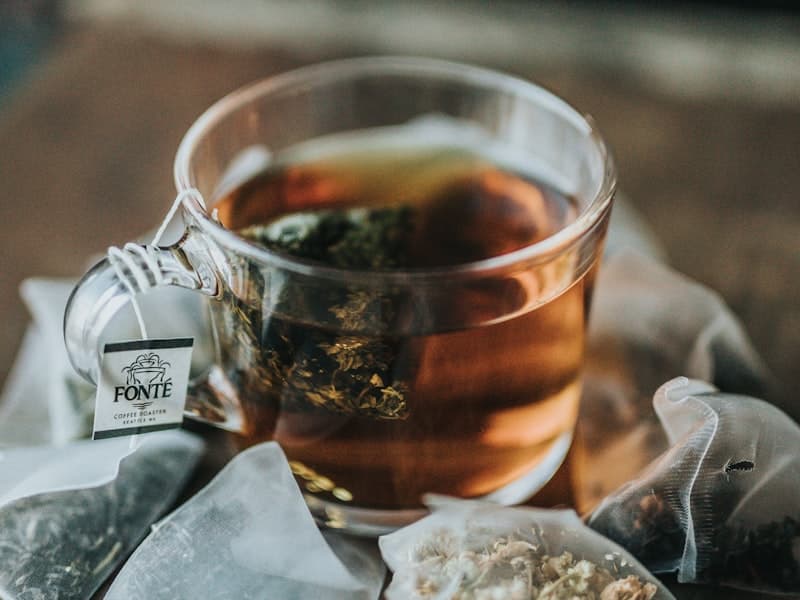
There is a profound difference between buying dried chamomile in a bag and harvesting chamomile flowers you grew from seed, still warm from the afternoon sun, with a fragrance so sweet and apple-like it stops you in your tracks. Growing your own medicinal herbs connects you to the plants in a way that no amount of reading or purchasing can replicate — and it gives you access to the freshest, most potent plant material possible.
You do not need a farm, extensive gardening experience, or even a yard. A sunny windowsill, a few containers on a balcony, or a modest 4-by-8 foot raised bed is enough to grow a meaningful medicinal herb garden. This guide covers everything from choosing your first herbs to harvesting and preserving them at peak potency.
The 8 Best Starter Herbs for a Medicinal Garden
These herbs were selected for their combination of medicinal versatility, ease of growing, and forgiveness toward beginner mistakes. Start with 3-5 of these, then expand as you gain confidence.
1. Chamomile (Matricaria chamomilla)
Medicinal uses: Digestive support, anxiety relief, sleep aid, anti-inflammatory for skin
Growing: Annual, self-sowing. Zones 2-9. Direct sow seeds on the soil surface — chamomile seeds need light to germinate. Full sun to part shade. Tolerates poor soil. Blooms 6-8 weeks from seed
Harvest: Pick flowers when petals are fully open and flat, before they begin to curve downward. Morning harvest after dew has dried captures peak essential oil content
Beginner tip: German chamomile (Matricaria chamomilla) is the primary medicinal species — do not confuse it with Roman chamomile (Chamaemelum nobile), which is a different plant with overlapping but distinct properties
2. Lavender (Lavandula angustifolia)
Medicinal uses: Anxiety and stress relief, sleep support, topical wound healing, headache relief, insect repellent
Growing: Perennial, zones 5-9. Needs full sun (6-8 hours minimum) and excellent drainage — lavender hates wet roots. Prefers alkaline, sandy, or gravelly soil. Add lime if your soil is acidic. Drought-tolerant once established
Harvest: Cut flower stems when about half the buds on the spike have opened. Bundle and hang upside down to dry
Beginner tip: Start with transplants rather than seed — lavender seeds require cold stratification and take weeks to germinate. English lavender (L. angustifolia) is the most medicinally potent and cold-hardy variety. "Hidcote" and "Munstead" are reliable cultivars
3. Echinacea (Echinacea purpurea)
Medicinal uses: Immune support, upper respiratory infections, wound healing. The root is the most potent part medicinally
Growing: Perennial, zones 3-9. Full sun. Tolerant of poor soil and drought once established. E. purpurea is the easiest species to grow — unlike E. angustifolia, it does not require cold stratification to germinate
Harvest: Flowers and leaves can be harvested in the first year. Wait until the plant is at least 3 years old to harvest roots — dig in autumn after the aerial parts have died back, when root potency peaks
Beginner tip: Echinacea is a beautiful ornamental that attracts pollinators. It earns its garden space on aesthetics alone
4. Lemon Balm (Melissa officinalis)
Medicinal uses: Anxiety and stress relief, digestive support, antiviral (especially herpes simplex), cognitive support, sleep aid
Growing: Perennial, zones 3-7. Part shade to full sun. Grows in virtually any soil. Very easy — almost too easy
Harvest: Cut stems just above a leaf node before flowering for highest essential oil content. Lemon balm can be harvested 2-3 times per growing season
Beginner tip: Lemon balm spreads vigorously through self-seeding and runners. Grow it in a container or a dedicated bed with edging, or harvest flowers before they set seed to control spread
5. Peppermint (Mentha x piperita)
Medicinal uses: Digestive support (IBS, nausea, bloating), headache relief, respiratory decongestant, mental clarity
Growing: Perennial, zones 3-11. Part shade to full sun. Moist, rich soil. Extremely vigorous spreader
Harvest: Cut stems just before flowering — this is when menthol content peaks. Harvest in the morning after dew has dried
Beginner tip: Always grow peppermint in containers. Planted in the ground, it will aggressively colonize your entire garden via underground runners. A 5-gallon pot is ideal
6. Calendula (Calendula officinalis)
Medicinal uses: Wound healing, skin inflammation, anti-fungal, digestive support, lymphatic movement
Growing: Annual (but self-sows freely), zones 2-11. Full sun. Average soil. Direct sow after last frost or start indoors 6 weeks early. Blooms prolifically all summer
Harvest: Pick fully open flowers in mid-morning when resin content is highest — the flowers should feel slightly sticky. Harvest frequently to promote continued blooming (deadhead spent flowers)
Beginner tip: Calendula is the ideal "first herb" for complete beginners. It is virtually impossible to kill, rewards frequent harvesting with more flowers, and produces enough material for salves, tinctures, teas, and infused oils from a small planting
7. Holy Basil / Tulsi (Ocimum tenuiflorum)
Medicinal uses: Adaptogenic stress support, respiratory health, blood sugar regulation, immune modulation, anti-inflammatory
Growing: Annual in most zones (perennial in zones 10-11). Full sun, warm temperatures (does not tolerate frost). Rich, moist, well-drained soil. Start indoors 6-8 weeks before last frost
Harvest: Pinch off growing tips and flower spikes regularly to encourage bushy growth. Harvest leaves and flowers throughout the growing season
Beginner tip: The varieties "Krishna" (purple) and "Rama" (green) are the most commonly used medicinally. Tulsi makes a superb daily tea — harvest enough to dry a year's supply
8. Yarrow (Achillea millefolium)
Medicinal uses: Wound healing (styptic — stops bleeding), fever management, digestive bitter, menstrual support, anti-inflammatory
Growing: Perennial, zones 3-9. Full sun. Tolerates poor, dry, rocky soil — in fact, yarrow grown in lean soil is more medicinally potent than yarrow grown in rich soil. Drought-tolerant
Harvest: Harvest the aerial parts (leaves and flowers together) when in full bloom. Bundle and hang to dry
Beginner tip: Use the wild-type white yarrow for medicine — ornamental colored varieties (pink, red, yellow) are less medicinally potent. Yarrow spreads via rhizomes; give it space or use a root barrier
Soil Preparation and Growing Conditions
Soil Basics
Most medicinal herbs prefer:
Well-drained soil — This is the single most important factor. Waterlogged roots cause root rot and kill herbs faster than almost anything else. If your soil is heavy clay, build raised beds or amend heavily with coarse sand and compost
Moderate fertility — An important counterintuitive principle: many medicinal herbs produce more concentrated active compounds in less fertile soil. Lavender, yarrow, echinacea, and thyme grown in rich soil produce lush green growth but with lower essential oil and alkaloid concentrations. Lean, well-drained soil stresses the plant just enough to increase secondary metabolite production
pH 6.0-7.5 — Most herbs prefer slightly acidic to neutral soil. Lavender and thyme prefer slightly alkaline (7.0-8.0). A simple soil test kit from a garden center tells you where you stand
Sun Requirements
The majority of medicinal herbs need 6-8 hours of direct sunlight daily. The exceptions are:
Part shade tolerant (4-6 hours): Lemon balm, chamomile, peppermint, lemon verbena, chervil
Shade tolerant (2-4 hours): Gotu kola, wood betony, sweet woodruff
Companion Planting for Medicinal Herbs
Certain herb combinations benefit each other through pest deterrence, pollinator attraction, or complementary root depths:
Chamomile + almost anything — Called the "plant physician," chamomile is believed to improve the health and essential oil content of neighboring herbs. Plant it near lavender, basil, or brassicas
Lavender + rosemary + thyme — All prefer the same dry, lean, alkaline conditions. Group them together in a "Mediterranean zone"
Calendula + tomatoes/peppers — Calendula attracts beneficial insects (hoverflies, ladybugs) that prey on aphids and other pests. A functional companion for the vegetable garden
Yarrow + any herb — Yarrow attracts predatory wasps and hoverflies, improving pest control across the garden. Its deep taproots also mine minerals from the subsoil and make them available to neighboring plants
Keep peppermint separate — Mint spreads aggressively and will overwhelm companion plants. Container growing is the safest approach
Harvesting at Peak Potency
Timing your harvest is the single biggest factor in the quality of your dried herbs — more important than variety selection or growing conditions.
Leaves — Harvest just before the plant flowers. This is when leaf essential oil content peaks as the plant prepares for reproduction. Morning harvest, after dew has dried but before peak afternoon heat
Flowers — Harvest when fully open but not past prime. Calendula should feel slightly sticky; chamomile petals should be horizontal, not drooping; lavender spikes should have half the buds open
Roots — Harvest in autumn after the aerial parts have died back, or in early spring before new growth begins. This is when the plant stores maximum energy and active compounds in its root system
Seeds — Harvest when seed heads have dried on the plant but before they shatter and drop. Watch daily as seeds mature — the window is short
Bark — Harvest in spring when sap is rising (for inner bark) or in autumn. Only harvest bark from branches you are pruning — never ring a tree or remove bark from the main trunk
Drying and Storage
Air Drying (Best for Most Herbs)
Bundle 4-6 stems together with twine or rubber bands
Hang upside down in a warm, dark, well-ventilated area (a closet, attic, or covered porch works well)
Temperature should be 70-90 degrees Fahrenheit with low humidity
Drying time: 3-7 days for leaves, 1-2 weeks for flowers, 2-4 weeks for roots
Herbs are fully dry when stems snap cleanly (not bend) and leaves crumble between your fingers
Dehydrator Method (Faster, More Controlled)
Use a food dehydrator set to 95-105 degrees Fahrenheit (higher temperatures destroy volatile compounds). Spread herbs in a single layer on trays. Most herbs dry in 1-4 hours. This method is particularly useful in humid climates where air drying risks mold.
Storage
Store in airtight glass jars (mason jars work perfectly) away from heat, light, and moisture
Label everything with the herb name, part used, and date harvested
Whole herbs retain potency longer than cut/crushed herbs. Store whole leaves and flowers; crumble just before use
Most dried herbs retain good potency for 12-18 months. Roots and barks last longer (2-3 years). Discard herbs that have lost their color and aroma
Container Growing for Apartments and Small Spaces
No yard? No problem. Many medicinal herbs thrive in containers:
Best container herbs: Peppermint, lemon balm, holy basil, chamomile, calendula, lavender (in a large pot with excellent drainage)
Minimum pot size: 12 inches diameter for most herbs. Lavender and echinacea need 16+ inches. Peppermint does well in 5-gallon buckets
Soil: Use a high-quality potting mix (not garden soil, which compacts in containers). For lavender and rosemary, add 30% perlite or coarse sand for drainage
Watering: Containers dry out faster than garden soil. Check daily. Water thoroughly when the top inch of soil is dry. Ensure pots have drainage holes — no herb tolerates standing water
Indoor growing: A south-facing window provides the most light. Supplement with a grow light if you get less than 6 hours of direct sun. Indoor herbs tend to be less potent due to reduced UV exposure, but they are still valuable for teas and mild preparations
Explore detailed monographs for each of these herbs — including dosing, preparations, and safety information — in our Herb Library. Use the Herbal Support Finder to discover which herbs match your specific health goals.
A medicinal herb garden does not need to be large to be transformative. Six plants in pots on a sunny porch can yield enough chamomile, peppermint, and calendula for a year of teas, salves, and tinctures. Start small, observe closely, and let the garden teach you.