
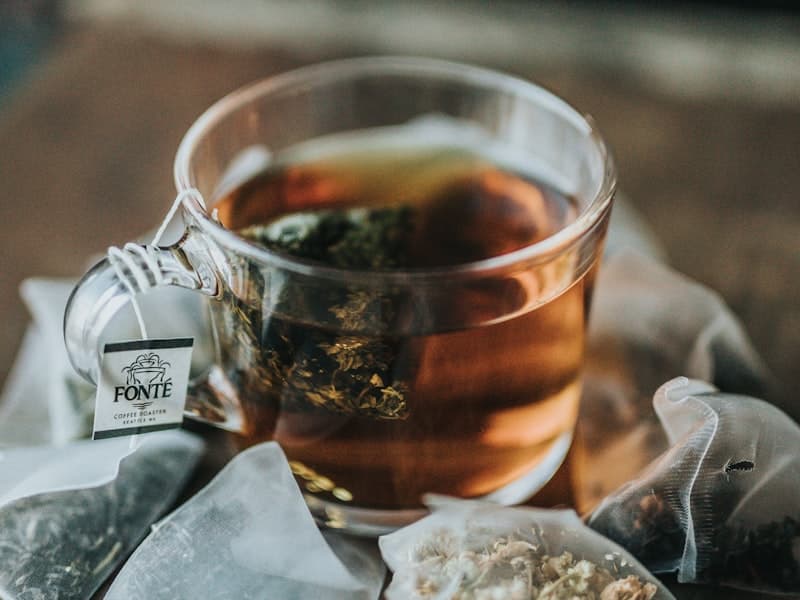
For most of human history, every household was its own pharmacy. Kitchens doubled as medicine-making spaces, and the knowledge of which herbs to reach for — and how to prepare them — was passed down through generations as naturally as cooking or gardening. The modern home herbal apothecary reclaims that tradition, adapted for contemporary life.
Building an apothecary is not about replacing professional medical care. It is about having practical, time-tested remedies on hand for everyday situations — a child's upset stomach, a scratchy throat, a sleepless night, a bruised knee, seasonal allergies — so that your first response does not have to be a trip to the pharmacy for something a simple herb could address.
This guide walks you through every step, from equipment to herb selection to organization, with three budget tiers so you can start wherever your finances allow.
Essential Equipment
You do not need a professional lab. Most herbal preparations require equipment you may already own, plus a few purpose-bought items.
The Core Kit
Glass mason jars (assorted sizes): 4 oz, 8 oz, 16 oz, and 32 oz. Used for storing dried herbs, making tinctures, infusing oils, and storing finished products. Wide-mouth jars are easier to fill and clean. You need at least 12-15 jars to start
Amber glass dropper bottles (1 oz and 2 oz): For storing and dispensing tinctures. Amber glass protects light-sensitive compounds. Buy at least 10 to start
Digital kitchen scale: Accurate to 1 gram. Essential for the weight-to-volume tincture method and for measuring dried herbs consistently. A basic model costs under $15
Fine mesh strainers and cheesecloth: For straining tinctures, infusions, and infused oils. Unbleached muslin or nut milk bags also work well
Double boiler (or makeshift: glass bowl over saucepan): For making salves, balms, and any preparation involving beeswax or gentle heating. Direct heat damages many herbal compounds
Mortar and pestle: For grinding dried herbs, crushing seeds, and making poultices. A medium-sized granite or marble mortar is ideal. Alternatively, a clean coffee grinder dedicated to herbs works for larger batches
Funnels (small and medium): For transferring liquids into bottles without spilling. Stainless steel or glass preferred
Measuring cups and spoons: Dedicated set for herbal preparations. Glass or stainless steel
Labels and permanent marker: Label everything immediately with contents, date, and any preparation details. Unlabeled jars are the most common source of confusion and waste in a home apothecary
Nice-to-Have Additions
Tea kettle with temperature control: Different herbs extract optimally at different temperatures. Green tea herbs need 175 degrees Fahrenheit; most herbal teas need full boil; delicate flowers benefit from slightly cooled water
Tincture press or potato ricer: Dramatically improves yield when pressing tinctures. A potato ricer works surprisingly well for small batches
Salve tins and lip balm tubes: For packaging finished salves and balms
Beeswax (pellets preferred): Essential ingredient for salves and balms. Pellets melt faster and measure more easily than blocks
pH strips: Useful for vinegar-based preparations and ensuring proper acidity
Starter Herbs to Stock
The goal is to cover the most common everyday situations with the fewest possible herbs. The following list is organized by preparation form.
Dried Herbs (For Teas, Infusions, and Poultices)
Start with these 10 dried herbs — together they cover digestive support, sleep, stress, respiratory health, immune support, skin care, and pain:
Chamomile flowers — Digestive soother, sleep support, gentle enough for children. Use for tea, infused oil, or steam inhalation
Peppermint leaves — Digestive aid (bloating, nausea, IBS), headache relief, respiratory decongestant. One of the most versatile herbs
Elderberries (dried) — Immune support during cold and flu season. Use to make elderberry syrup (keep a batch in the refrigerator from October through March)
Echinacea root — Immune stimulant for the first 24-48 hours of a cold or upper respiratory infection. Best as a tincture but can be decocted as tea
Ginger root (dried or fresh) — Nausea, digestive support, circulation, anti-inflammatory. Use in teas, decoctions, honey infusions, and cooking
Calendula flowers — Skin healing, anti-inflammatory, anti-fungal. Essential for making healing salves and infused oils
Lavender buds — Anxiety, sleep support, headache relief. Use in tea blends, sachets, bath soaks, and as the aromatic base of calming blends
Lemon balm leaves — Anxiety, digestive comfort, antiviral. Makes a delicious stand-alone tea and blends well with almost everything
Marshmallow root — Sore throat, dry cough, digestive inflammation. Best prepared as a cold infusion (soak overnight in room-temperature water for maximum mucilage extraction)
Yarrow (aerial parts) — Fever management, wound healing (styptic), digestive bitter. One of the oldest medicinal plants in continuous use
Tinctures (Ready-Made or Homemade)
Tinctures provide fast-acting, concentrated medicine with long shelf life. Start with these 5:
Echinacea tincture — First-line immune response. Take at the very first sign of a cold
Valerian tincture — Reliable sleep support and muscle relaxation. Stronger than chamomile tea for insomnia
Passionflower tincture — Anxiety relief without sedation at low doses; sleep support at higher doses. Excellent for racing thoughts
Elderberry tincture or syrup — Immune support. Syrup is more palatable; tincture is more concentrated
Chamomile or lemon balm glycerite — Alcohol-free option for children. Sweet-tasting, gentle, and effective for digestive upset and mild anxiety
Essential Oils to Include
A small, well-chosen essential oil collection adds powerful tools for acute situations, mood support, and first aid. Start with these 6 versatile oils:
Lavender (Lavandula angustifolia): The most versatile essential oil. Burns, minor wounds, anxiety, sleep, headaches. One of the very few oils considered safe at low dilution for most populations
Tea tree (Melaleuca alternifolia): Antimicrobial powerhouse. Acne, minor wound cleaning, fungal infections (athlete's foot, nail fungus). Always dilute to 1-2%
Peppermint (Mentha x piperita): Headache relief (diluted and applied to temples), nausea, mental clarity, respiratory support. Not safe for children under 6
Eucalyptus (Eucalyptus globulus or radiata): Respiratory congestion, steam inhalation for colds. E. radiata is gentler and preferred for children over 6. Not safe for children under 6
Frankincense (Boswellia carterii): Anti-inflammatory, meditation and stress relief, skin repair and aging support. Grounding and centering for emotional use
Lemon (Citrus limon): Mood-lifting, air purification, cleaning. Note: cold-pressed lemon is phototoxic (avoid sun exposure on applied skin for 12+ hours). Steam-distilled is non-phototoxic
For detailed safety information and dilution charts for every oil, visit our Essential Oils Library and Dilution Guide.
Basic Homeopathic Kit
A small homeopathic kit complements your herbal apothecary by providing fast-acting remedies for acute situations where herbs work too slowly or where the specific symptom picture points to a homeopathic approach.
The following 6 remedies in 30C potency cover the most common acute situations:
Arnica montana 30C — Physical trauma, bruises, muscle soreness, post-injury. The single most-used remedy in home prescribing
Aconitum napellus 30C — Sudden onset conditions after cold/wind exposure, panic, fright, high fever with anxiety
Nux vomica 30C — Digestive upset from overindulgence, hangover, irritability, colds with sneezing
Apis mellifica 30C — Insect stings and bites, hives, any swelling that is pink, puffy, and better from cold applications
Chamomilla 30C — Teething pain in children, extreme irritability, earaches with anger. Indispensable if you have young children
Arsenicum album 30C — Food poisoning, stomach flu, burning pains relieved by warmth, anxious restlessness
For deeper guidance on selecting and dosing homeopathic remedies, see our Homeopathic Self-Care Guide and explore the full Homeopathy Library.
Organization and Labeling
A well-organized apothecary is a usable apothecary. Chaos leads to expired herbs, unidentified tinctures, and remedies you cannot find when you need them at 2 AM.
Storage Principles
Cool, dark, and dry — These three conditions preserve potency. A kitchen cabinet away from the stove, a hallway closet, or a dedicated shelf in a cool room all work well. Never store herbs above the stove, near a window, or in the bathroom
Glass over plastic — Plastic can leach chemicals and absorb essential oil compounds. Glass is inert and reusable. Amber or cobalt glass is ideal for light-sensitive preparations
Airtight seals — Oxygen degrades many herbal compounds. Mason jars with tight-fitting lids, or jars with rubber gaskets, are the standard
Labeling System
Every jar, bottle, and container should include:
Herb name (common and Latin, if you know it)
Part used (root, leaf, flower, aerial parts)
Preparation type (dried herb, tincture, infused oil, salve)
Date (harvested or purchased, and date prepared if applicable)
Solvent and ratio (for tinctures: "80-proof vodka, 1:5")
Expiration/review date (based on shelf life guidelines below)
Shelf Life Guide
Knowing when to replace your stores prevents you from relying on degraded material that may be ineffective.
Dried leaves and flowers: 12-18 months. Replace annually for best potency. Discard if color has faded to brown/gray or aroma is absent
Dried roots and bark: 2-3 years. Denser material retains compounds longer
Alcohol tinctures: 3-5 years (some practitioners consider them indefinitely shelf-stable). The alcohol preserves the extract. Discard if the aroma changes or sediment appears that does not dissolve when shaken
Glycerites: 1-2 years refrigerated. Glycerin is a less effective preservative than alcohol
Infused oils (for external use): 6-12 months. Oils oxidize over time. Refrigeration extends life. Add vitamin E (1 tsp per cup of oil) as a natural antioxidant
Salves and balms: 1-2 years. The beeswax creates a relatively stable matrix
Essential oils: 1-3 years for most. Citrus oils oxidize fastest (1-2 years). Sandalwood and patchouli actually improve with age (5+ years)
Homeopathic remedies: Practically indefinite if stored away from strong odors, electromagnetic fields, and direct sunlight. Many practitioners use remedies that are decades old
Sourcing Quality Herbs
The quality of your herbs determines the quality of your medicine. Here is what to look for:
Vibrant color and strong aroma — Dried chamomile should smell distinctly sweet and apple-like. Dried peppermint should hit your nose before you open the jar. If herbs are brown, dusty, and smell like hay, they have degraded
Organic or wildcrafted — Organic certification ensures no pesticide contamination. Wildcrafted means harvested from wild populations, which can be excellent quality but raises sustainability concerns for some species
Harvest and "best by" dates — Reputable suppliers include this information. Avoid buying from bulk bins at stores with low turnover — those herbs may be years old
Third-party testing — Look for suppliers who test for heavy metals, pesticide residues, and microbial contamination. This is especially important for roots (which can accumulate heavy metals from soil)
Trusted suppliers — Mountain Rose Herbs, Starwest Botanicals, Frontier Co-op, and Pacific Botanicals are widely regarded as high-quality domestic (US) sources
Three Budget Tiers to Get Started
You do not need to build a complete apothecary overnight. Start with what you can afford and expand over time.
Tier 1: The Essentials ($50)
This gets you started with the most versatile herbs and basic equipment:
6 mason jars (pint-sized) and 4 amber dropper bottles
4 dried herbs: chamomile, peppermint, ginger root, calendula (4 oz each)
1 tincture: echinacea
1 essential oil: lavender
Cheesecloth and labels
With these items you can make daily tea, have immune support on hand, treat minor burns and skin irritations, and address digestive upset.
Tier 2: The Capable Home Pharmacy ($150)
Adds more range and the ability to make your own preparations:
Everything in Tier 1, plus:
Digital scale, mortar and pestle, additional jars and bottles
6 additional dried herbs: elderberry, echinacea root, lavender, lemon balm, marshmallow root, yarrow
3 additional tinctures: valerian, passionflower, elderberry
3 additional essential oils: tea tree, peppermint, eucalyptus
Beeswax and carrier oil (jojoba or fractionated coconut) for salve-making
Basic homeopathic starter kit: Arnica 30C, Nux vomica 30C, Arsenicum 30C
Tier 3: The Complete Apothecary ($300)
A well-rounded home apothecary that covers most common situations:
Everything in Tier 2, plus:
Full set of 10 dried herbs listed above (4-8 oz each)
5 tinctures (commercial or homemade)
6 essential oils with carrier oil collection
Full 6-remedy homeopathic kit
Double boiler, tincture press or potato ricer
Salve tins, lip balm tubes, and roller bottles
Reference book: Rosemary Gladstar's Medicinal Herbs: A Beginner's Guide or similar
Browse our complete Herb Library for detailed monographs on every herb mentioned here. Check for herb-drug interactions with our Medication Checker, and explore our Essential Oils Library for oil-specific safety profiles and blending ideas.
The best home apothecary is the one you actually use. Start with five herbs you understand well rather than fifty you have never opened. Learn to make one preparation — a simple tea, a basic tincture, a healing salve — and master it before adding complexity. The goal is not to impress, but to be ready when your family needs you.